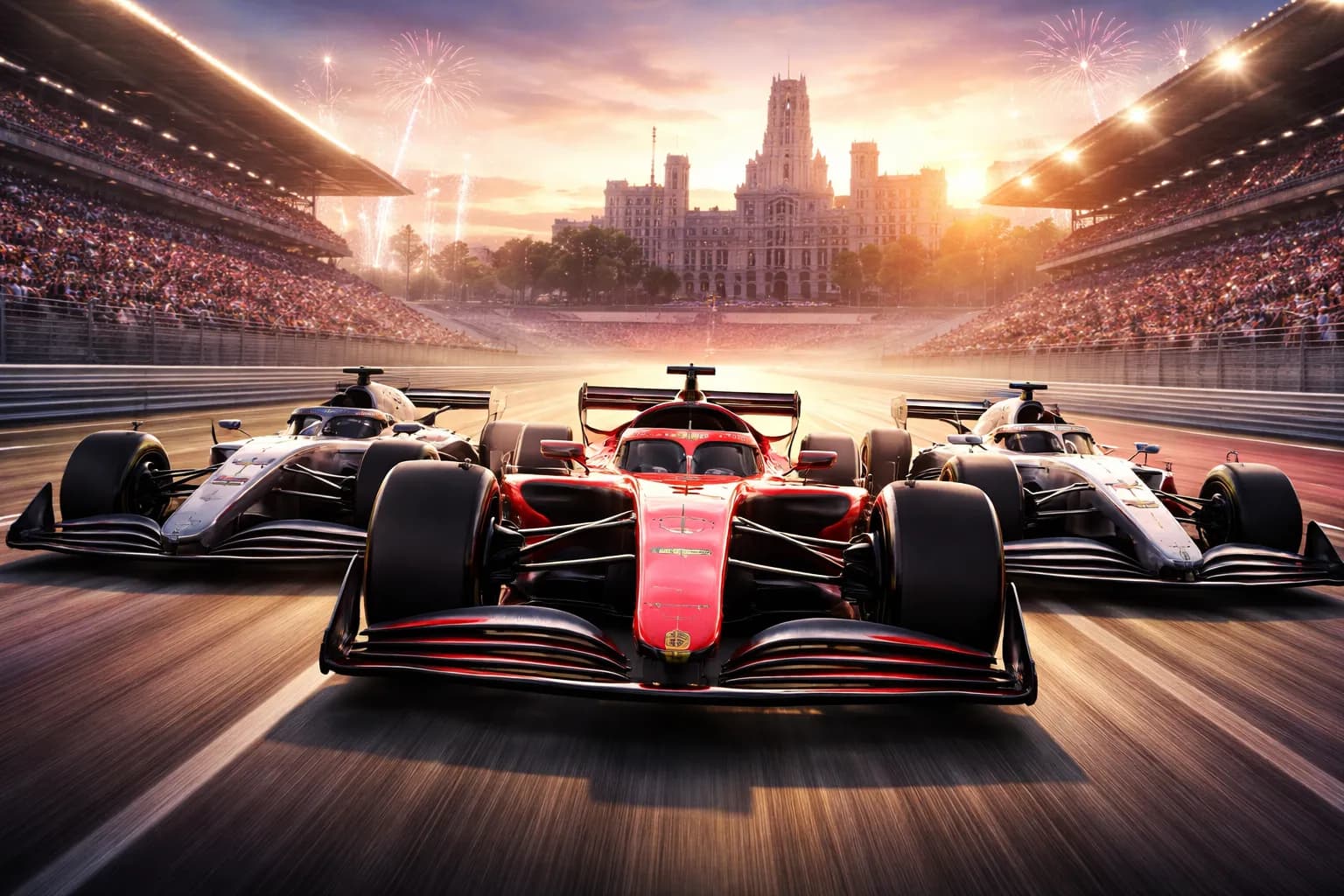
Formula 1 2026: Why this season could reshape the grid
After a breathtaking 2025 title fight that went down to the final round, Formula 1 enters 2026 with a genuine sense of reset. New rules, new manufacturers, fresh partnerships and major driver storylines are all converging at once.
This isn’t a minor evolution. It’s a structural change to how F1 cars look, sound and race.
The 2026 season introduces one of the biggest technical resets in modern F1 history.
Cars will be smaller and lighter, with a reduced emphasis on ground effect and a new approach to aerodynamics. Active aero will allow front and rear wings to adjust depending on track position, opening the door to new race strategies and more driver input.
Power units also change significantly. The 1.6-litre V6 turbo remains, but the energy split moves closer to 50:50 between combustion and electric power. The MGU-H disappears, braking energy recovery increases, and 100% sustainable fuel becomes mandatory.
There’s also a manual power boost system for drivers running within one second of the car ahead, replacing the current DRS concept with something more dynamic.
Whenever F1 rewrites the rulebook, competitive order shifts. Some teams nail it. Others fall behind. That uncertainty alone makes 2026 fascinating.
For the first time in several years, four world champions share the grid: Lando Norris, Max Verstappen, Lewis Hamilton and Fernando Alonso.
Norris arrives as the reigning champion, now carrying the number 1 and facing the psychological shift from hunter to hunted. Verstappen remains central to the driver market narrative, especially with performance clauses and long-term speculation hovering in the background. Hamilton continues his late-career chapter, while Alonso, now 45, still believes another title push isn’t impossible under the right circumstances.
Behind them, contracts across the grid mean that as much as three-quarters of seats could become negotiable by the end of the year. A regulation reset plus expiring deals usually equals chaos.
Spain will host two races in 2026, with Barcelona staying on the calendar while Madrid debuts as the new home of the Spanish Grand Prix.
The “Madring” layout blends street sections around IFEMA with permanent track elements and elevation changes. A standout feature is the heavily banked “La Monumental” corner, a half-kilometre section designed for spectacle and overtaking.
New tracks always level the playing field. No historical data. No long-term references. Just pure adaptation.
The grid expands to 22 cars with the arrival of Cadillac, fielding an experienced pairing in Sergio Perez and Valtteri Bottas. Meanwhile, Audi takes over Sauber and enters as a full constructor with its own power unit.
Red Bull begins a new chapter with Ford as a technical partner, creating Red Bull Ford power units for the first time. And Aston Martin reunites with Honda just as Adrian Newey steps into a leadership role within the team.
When multiple manufacturers start from scratch under fresh rules, competitive hierarchies rarely stay intact.
Testing chatter has already sparked debate. Some insiders suggest Red Bull Ford could have a strong hybrid package out of the gate. Others believe Mercedes’ consistency under regulation changes makes them dangerous. There’s also speculation that Aston Martin could disrupt the traditional front-runners if the Honda partnership clicks early.
With so many unknowns, bookmakers and pundits are already split on who leads the 2026 championship fight.
That unpredictability is exactly why this season feels different.
2026 is not just another year in Formula 1. It’s the beginning of a new technical era, a fresh power-unit war, a reshuffled calendar and a driver market waiting to explode.
If the regulation reset delivers what it promises, we could be witnessing the start of the next defining chapter in modern F1 history.

Inés Ledo
Sportsbook Content Lead
Specialist in regulated sports betting markets with extensive hands-on experience reviewing bookmakers. Defines the editorial vision of the project and ensures all reviews are based on real betting experience, clear criteria, and practical user value. Focuses on bonuses, usability, and what really matters before registering.
Comments & Discussion
Share your thoughts about this article or discuss with other readers